


Field Notes
Five things we learned from our 2025 site visits
5 March 2026 · 7 min read
Field Notes
Funding is the easy part. The hard part is the relationship that keeps a scholar in school when life gets in the way.
Junior Baka Wa Bana Sumaili · 15 April 2026 · 6 min read
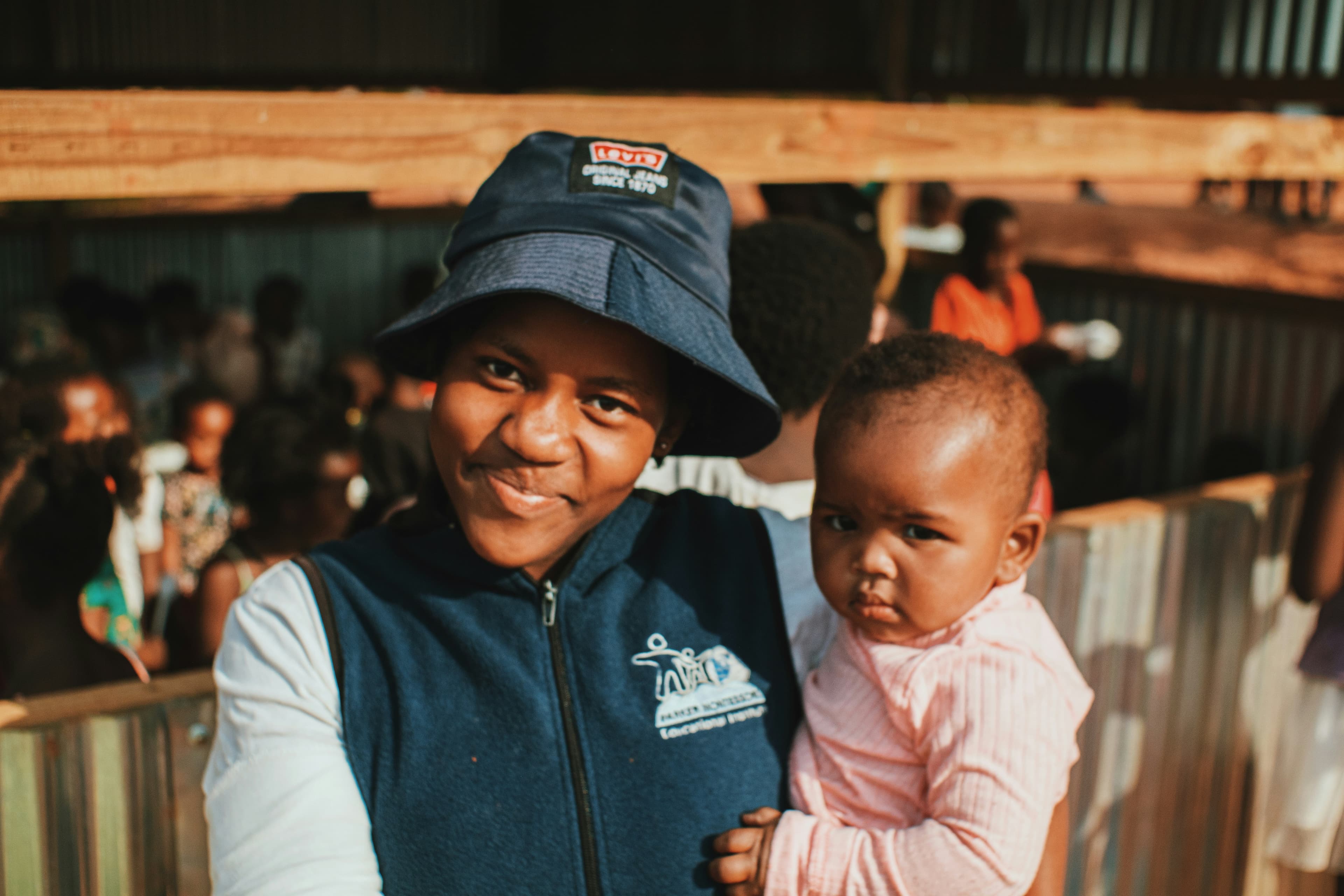
When we tell donors that a scholarship is a multi-year commitment, the response is usually a nod. The implication is understood: tuition, transport, books, fees, paid through to graduation. That’s the easy part.
What makes a scholarship work past year three isn’t another tranche of funding. It’s a phone call when a student stops showing up. A teacher who notices. An alumna who texts back. A coordinator who knows the family by name and shows up when something has gone quiet.
We’ve watched fully-funded scholars walk away in year three because no one was watching closely enough. We’ve watched under-funded ones graduate because someone was. The lesson Umoja keeps learning is the same one our partners told us from the start: scholarships matter, but presence matters more.
Year three is where the relationship gets tested. The fees are already paid; the early excitement has worn off; life has gotten complicated. If the only thing connecting a scholar to the program at that point is a wire transfer, the program isn’t doing what it claims to.
About the author
Co-founder
On a volunteer mission in the Democratic Republic of Congo, Baka noticed that aid was meeting survival needs but missing the one thing that breaks the cycle of poverty: education. He brought that insight back to Tessy, and Umoja began.
Posts like this one come out of the same field visits and partner reviews that inform every scholarship. Donate to fund the next cohort.